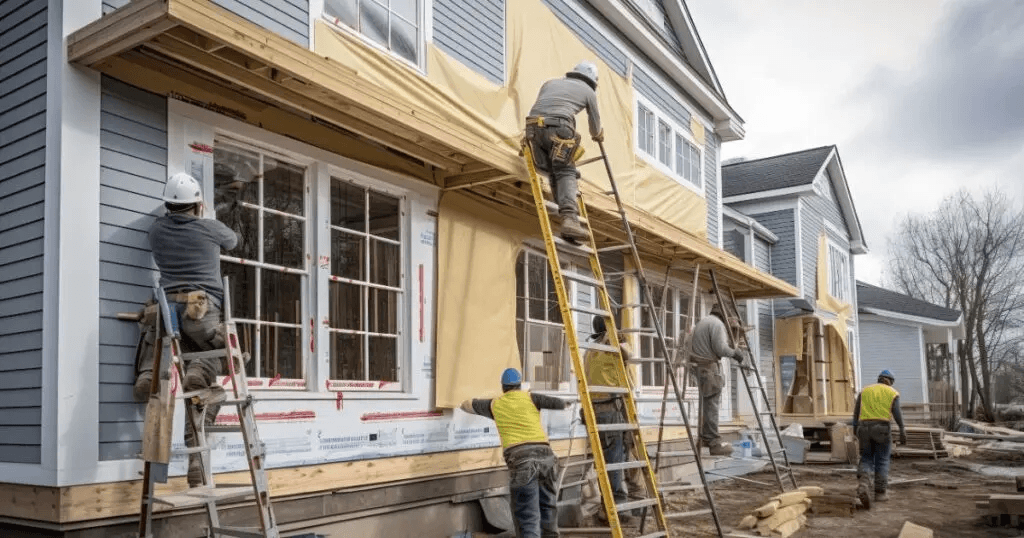
Your home’s exterior does more than create curb appeal—it protects everything inside. From roofing and siding to gutters and paint, every element works together to shield your property from the elements. But when it’s time for repairs or upgrades, choosing the right contractor can feel overwhelming. With so many options available, how do you know who to trust?
This guide breaks down what matters most when hiring an exterior contractor, helping you make confident, informed decisions that protect your investment.
Why Your Exterior Contractor Matters
The quality of your exterior contractor directly impacts the durability, efficiency, and value of your home. Poor workmanship can lead to leaks, energy loss, and costly repairs down the line. On the other hand, a skilled contractor ensures your home remains structurally sound and visually appealing for years.
A reliable contractor doesn’t just complete a job—they provide guidance, recommend appropriate materials, and ensure everything is installed correctly. That level of expertise can save you time, money, and stress.
Key Services Offered by Exterior Contractors
Exterior contractors typically handle a range of services designed to improve and maintain your home’s outer structure. Understanding these services helps you identify what you need before reaching out.
Common Exterior Services Include:
- Roof repair and replacement
- Siding installation and repair
- Gutter systems and drainage solutions
- Window and door replacement
- Exterior painting and finishing
- Storm damage restoration
Some contractors specialize in specific areas, while others offer comprehensive services. If you’re planning multiple upgrades, working with a full-service contractor can simplify the process.
What to Look for in a Contractor
Not all contractors are created equal. Before hiring anyone, it’s essential to evaluate their qualifications and reputation.
Experience and Expertise
Look for contractors with a proven track record. Years of experience often translate into better problem-solving and higher-quality results.
Licensing and Insurance
Always verify that your contractor is properly licensed and insured. This protects you in case of accidents or unexpected issues during the project.
Reviews and References
Customer feedback offers valuable insight into a contractor’s reliability and workmanship. Ask for references or check online reviews to gauge past performance.
Clear Communication
A good contractor communicates clearly from the start. They should provide detailed estimates, timelines, and explanations of the work involved.
Questions to Ask Before Hiring
Before signing a contract, take the time to ask the right questions. This helps you avoid misunderstandings and ensures you’re working with a professional.
Consider asking:
- What is your experience with similar projects?
- Can you provide a written estimate?
- What materials do you recommend and why?
- How long will the project take?
- Do you offer warranties on your work?
These questions help you assess both expertise and transparency—two critical factors in a successful project.
Red Flags to Watch Out For
While many contractors are trustworthy, it’s important to recognize warning signs that could indicate potential problems.
Be cautious if a contractor:
- Requests full payment upfront
- Lacks proper documentation or credentials
- Avoids written contracts
- Provides vague or inconsistent estimates
- Has numerous negative reviews
Trust your instincts. If something feels off, it’s worth exploring other options.
The Importance of Local Expertise
Hiring a contractor familiar with your local climate and building requirements can make a significant difference. Weather patterns, building codes, and common structural issues vary by region, and local professionals understand these nuances.
For example, homeowners looking for a dependable Peachtree City exterior contractor benefit from working with professionals who understand the specific challenges of the area—from humidity and storms to regional construction standards. This local knowledge ensures your home is built or repaired to withstand the conditions it will face.
Planning Your Exterior Project
Once you’ve chosen a contractor, proper planning ensures a smoother experience. Start by defining your goals—whether it’s improving energy efficiency, enhancing appearance, or repairing damage.
Steps to Prepare:
- Set a realistic budget
- Prioritize necessary repairs
- Choose materials that match your climate and style
- Establish a clear timeline
Working collaboratively with your contractor during this phase helps align expectations and prevent delays.
Long-Term Benefits of Quality Work
Investing in a skilled exterior contractor pays off in the long run. High-quality work not only improves your home’s appearance but also increases its value and longevity.
Well-installed roofing and siding reduce maintenance costs, improve insulation, and protect against environmental damage. Over time, these benefits far outweigh the initial investment.
Conclusion
Your home’s exterior is its first line of defense—and one of its most visible features. Choosing the right contractor is essential to maintaining both function and appearance. By focusing on experience, communication, and local expertise, you can ensure your project is handled with care and professionalism.
Whether you’re planning a full renovation or addressing specific repairs, working with a knowledgeable contractor—such as a trusted Peachtree City exterior contractor—can make all the difference in achieving lasting results.
Read More
- Smart Home Protection: Why Quality Gutters Matter More Than You Think
- How Fabric Protection Can Save You From Costly Upholstery Replacements?
- How Regular Maintenance Prevents Costly Blocked Drain Repairs?
- Future-proofing your business: solutions from Commercial Electricians Telford
- Outdoor Blinds for Balconies and Decks: A Practical Choice


