Creating branded business apparel is a powerful way to promote your company, increase brand recognition, and foster team unity. However, choosing the right printing method can be confusing, especially with so many options available. The method you select affects the durability, appearance, and cost of your uniforms or promotional items. Factors such as fabric type, design complexity, order size, and budget play a crucial role in determining which printing technique is best for your business apparel. For small and large businesses alike, selecting the right printing process ensures your brand logo or design looks professional and withstands repeated use.
Additionally, the correct method can save costs in the long run, especially if you plan to place frequent orders. Whether you are printing simple logos or complex multi-color designs, understanding the pros and cons of each printing method is essential. This guide will walk you through the most popular printing methods, helping you make informed decisions for your business apparel while ensuring quality, affordability, and durability.
1. Screen Printing for Durable and Vibrant Designs
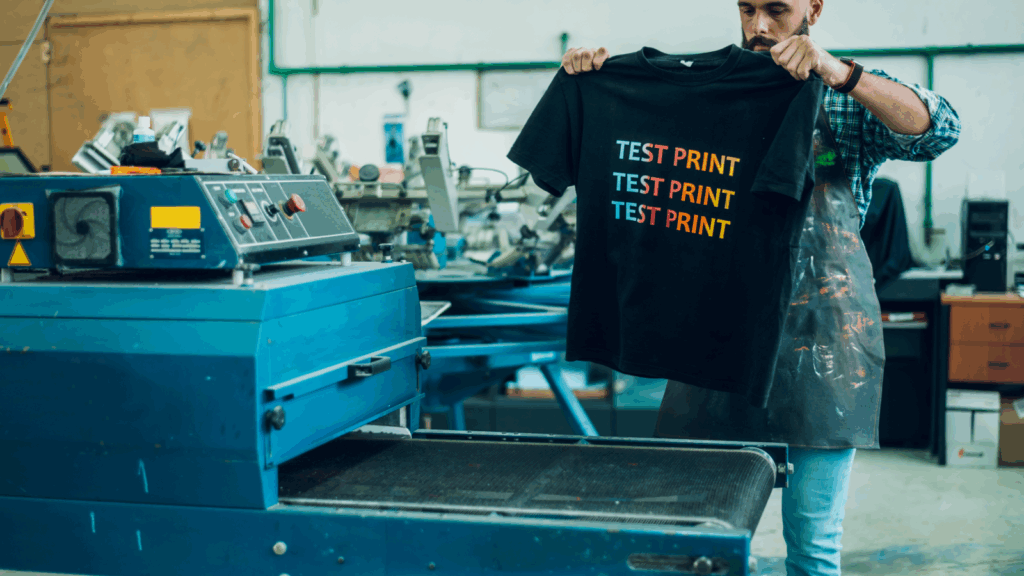
Screen printing is one of the most common and reliable printing methods for business apparel. It involves applying layers of ink directly onto the fabric using a mesh stencil. This technique works best for bold, single-color or limited-color designs and produces vibrant, long-lasting results that can withstand frequent washing. Screen printing is cost-effective for large orders, making it an excellent choice for businesses looking to outfit their entire team or place recurring orders.
For companies placing Bulk T-Shirt Orders Florida, screen printing ensures consistency and quality across every shirt. However, this method may be less suitable for intricate designs with many colors or gradients, as each color requires a separate screen. Despite this limitation, screen printing remains a go-to option for small businesses, event merchandise, or uniforms due to its durability, vibrant appearance, and efficiency for bulk orders. It’s also ideal for cotton or cotton-blend fabrics, which are commonly used in business T-shirts and polos.
2. Heat Transfer for Versatility and Detail
Heat transfer printing is a versatile option that allows for highly detailed and multi-colored designs on various fabrics. This method uses heat to transfer a printed image from a special film onto the apparel, making it suitable for intricate graphics, gradients, and photo-quality images. Heat transfer works well for smaller orders, allowing businesses to experiment with multiple designs without investing in screen creation. Additionally, this method is ideal for uniforms, promotional items, and custom T-shirts where vibrant, complex designs are needed. While heat transfer prints are visually striking, they may be less durable than screen-printed designs over time, especially when subjected to frequent washing or high heat.
Businesses can mitigate this by choosing high-quality transfer materials and proper application techniques. Heat transfer printing also works on a variety of fabrics, including cotton, polyester, and blends, offering flexibility for your business apparel. Its adaptability and precision make it a strong contender for companies seeking detailed, eye-catching designs without committing to large-scale orders.
3. Direct-to-Garment (DTG) for Full-Color Prints
Direct-to-garment (DTG) printing is a modern technique that allows full-color designs to be printed directly onto the fabric using specialized inkjet technology. This method is perfect for businesses that want complex, multi-colored logos or intricate artwork with fine details. DTG printing offers a soft, smooth feel, as the ink is absorbed into the fabric rather than layered on top. This makes it ideal for cotton or cotton-blend T-shirts commonly used in business uniforms. DTG is especially cost-effective for small to medium-sized orders, as there is no need for screens or setup fees.
However, for very large orders, the per-unit cost may be higher compared to screen printing. Another advantage of DTG printing is the ability to easily customize each shirt individually, making it great for personalized employee apparel or promotional giveaways. While durability is slightly lower than screen printing, using high-quality inks and proper washing techniques ensures long-lasting results, making DTG an excellent choice for businesses prioritizing design complexity and quality.
4. Embroidery for Professional and Premium Apparel
Embroidery is a classic method that adds a professional, high-end touch to business apparel. Instead of printing, embroidery involves stitching threads directly onto the fabric, creating a textured and durable design. This method is particularly effective for logos and text, providing a sophisticated look suitable for uniforms, polos, jackets, and hats. Embroidered designs are extremely long-lasting and resistant to fading, making them ideal for apparel that will be frequently washed and worn. Although embroidery can be more expensive than other printing methods, it conveys a premium feel that can elevate your brand image.
Businesses often choose embroidery for corporate uniforms, hospitality staff, or promotional items that require a professional appearance. It works best on thicker fabrics like polo shirts, jackets, and hats rather than lightweight T-shirts. For small and medium-sized businesses, investing in embroidery can be a worthwhile choice to convey professionalism and brand reliability while ensuring the design withstands the test of time.
5. Sublimation for Vibrant All-Over Prints
Sublimation printing is a technique that uses heat to transfer dye directly into polyester fabrics, allowing for vibrant, all-over prints that are permanent and won’t crack or peel. This method is ideal for full-coverage designs, such as patterned uniforms, sportswear, or eye-catching promotional apparel. Sublimation works exclusively on polyester or polyester-blend fabrics, making it suitable for moisture-wicking athletic apparel or performance uniforms. Its ability to produce continuous, vivid designs across the entire garment makes it a popular choice for businesses in fitness, sports, or creative industries.
Sublimation prints remain soft to the touch because the dye becomes part of the fabric itself. However, this method is limited to lighter-colored polyester garments and may not work well on cotton or dark fabrics. For companies seeking bold, attention-grabbing uniforms that showcase creativity and brand identity, sublimation offers unmatched color saturation and design freedom.
FAQs
1. Which printing method is best for large orders?
Screen printing is typically the most cost-effective and durable option for large bulk orders. It provides consistent quality and vibrant colors that withstand frequent washing.
2. Can I use heat transfer on any fabric?
Heat transfer works on many fabrics, including cotton, polyester, and blends. However, it’s essential to follow manufacturer guidelines to ensure durability.
3. Is embroidery suitable for casual T-shirts?
Yes, embroidery works best on polos, jackets, and thicker fabrics. While it can be used on T-shirts, lighter fabrics may not support complex embroidered designs.
4. What makes DTG printing different from screen printing?
DTG allows full-color, highly detailed designs to be printed directly onto fabric without screens. It’s ideal for small to medium orders and intricate artwork.
5. Can sublimation printing be used on cotton shirts?
No, sublimation only works on polyester or polyester-blend fabrics. It allows for vibrant, all-over prints but isn’t compatible with cotton materials.
Final Thoughts
Choosing the right printing method for your business apparel is essential to ensure your brand looks professional, appealing, and durable. Screen printing, heat transfer, DTG, embroidery, and sublimation each have unique advantages that suit different fabrics, order sizes, and design requirements. By understanding these methods, small and large businesses can make informed decisions, maintain quality, and enhance brand visibility.
Whether you need bulk T-shirts, customized polos, or premium embroidered uniforms, selecting the appropriate printing technique ensures your business apparel stands out and lasts over time. Partnering with reliable providers ensures your designs are executed professionally, allowing your brand to shine through your team’s attire.
Read More
- How to Stay Connected Across Multiple Time Zones Without Breaking Your Budget
- Maximizing Efficiency: Commercial Office Fitout Tips
- How to Choose the Right Black Car and Sprinter Van Service in New Orleans
- Observability Logs: The Clear Pane Into Modern System Wellness
- Using Personal Loans to Build Business Credit: A Guide with Brians Club


