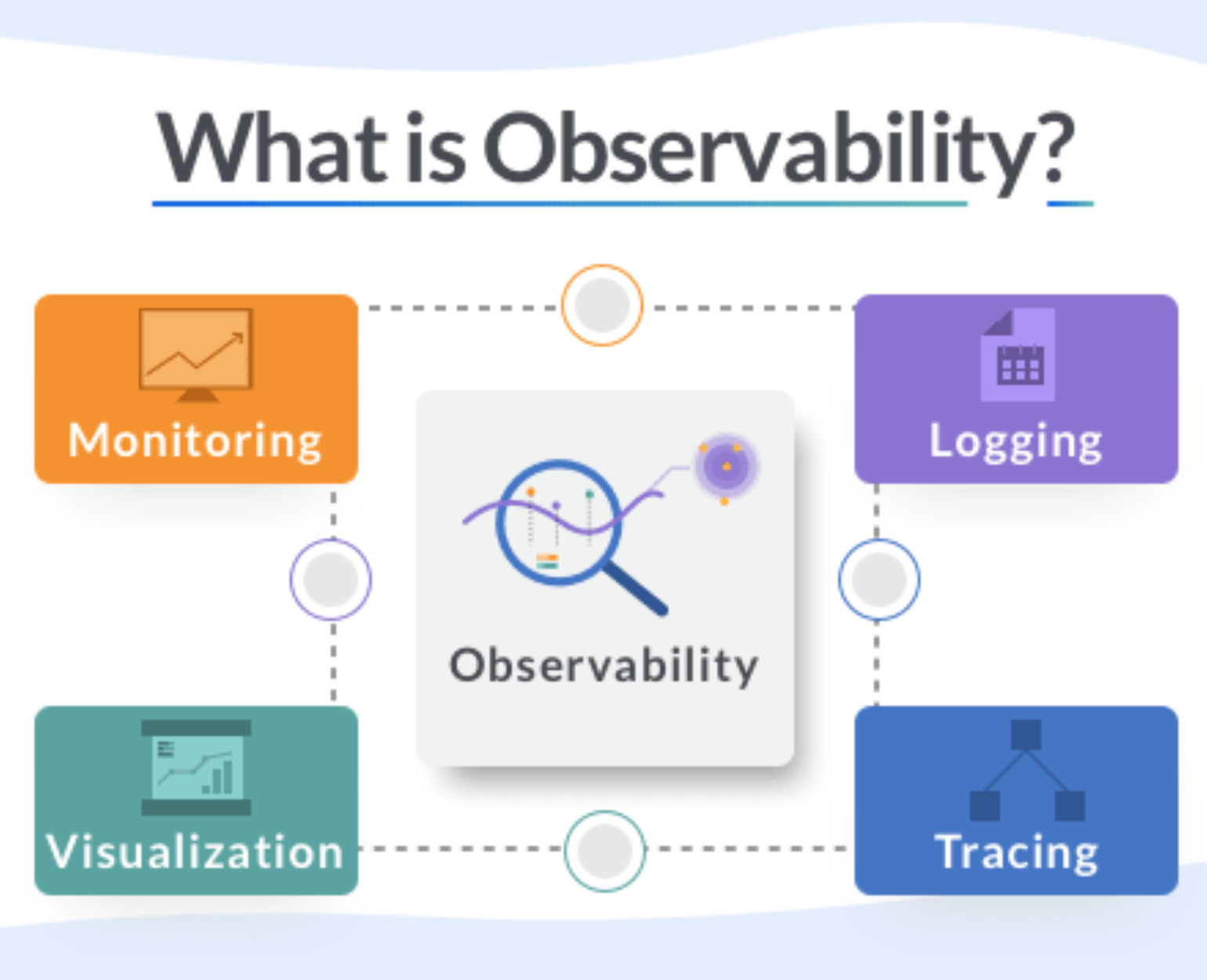
Digital systems today stretch across layers of cloud services, containers, APIs and microservices. With all these pieces moving, it can be tough to sort of work backwards and figure out what caused your issues. Teams need clarity, not guesswork. Here is where observability logs come into play. They expose that’s what going on under the hood, in a way that enables systems to be managed, monitored, and optimized.
The Growing Significance of Observability Logs
Tech stacks are bigger and more difficult than ever! Dozens of behind-the-scenes activities occur at each user action. In the dark, problems are unnoticed until they are outages.
Observability logs change the game. They record and document noteworthy events and incidents, as events related log records. This gives teams a dependable up-to-date look at how things are doing. Transparent logs also allow us to monitor for hidden slowdowns and find preemptive markers when risks are about to impact customers.
These logs have become the bread and butter for teams nowadays as they provide solid ground for fleshed responses and long-term stability.
How Observability Logs Make Systems More Reliable
Reliability of systems relies on quick identification of problems. When something breaks, every minute counts. Reduced recovery time: by giving you direct access to the cause, observability logs help to shorten the gap between symptom and fix.
With well-structured logs, teams can:
- Monitor anything out of ordinary, with low-performing pages
- Recovering failure traces in distributed systems
- Validate new changes during deployments
- Predicted capacity requirements based on actual data
This kind of visibility prevents companies from downtime and keeping user trust. Logs also feed into a continuous improvement loop by providing engineers with clean data to analyze post-incident.
Observability Logs vs Traditional Logging
The traditional logging is to log events. But as systems became more sophisticated, that old approach left too much out. Today’s team need more than just a list of errors.
Observability logs offer richer information. They don’t just note what happened − they also demonstrate how events connect across services. They integrate with metrics and traces to explain system behavior.
This layered approach allows engineers to get context about what they’re seeing as both symptoms and root causes, not just individual warnings. It’s the difference between looking at a puzzle piece and seeing the full puzzle.
Strong Observability Log Requirements
Good logs make sense and are clear. detail. It has to filter out noise and maintain the detail. The best observability logs offer:
- Accurate timestamps
- Clear event descriptions
- Error or status codes
- Environment details
- Related links and processes or traces
These are the kind of things that result in reliable high-quality data that tools and a human can easily reason about.
Crafting an Effective Logging Strategy
A logging model is only valuable if it is consistent. Teams should begin by determining what they most want to see. This prevents logs from becoming a mess.
To improve observability logs, teams need to:
- Follow the above format for each service
- Get rid of extra or duplicate log logs.
- Set up automated analysis tools
- Check the logs often to find patterns early
A disciplined protocol translates simple logs in text to actionable data.
Final Thoughts
The observability log is now an essential part of shipping stable, scalable systems. They provide teams with the clarity that they need in environments where minor issues can fast rise into big ones. With the right logs in place, companies get control, athletics gets speed, and users get confidence. With systems continuing to change, this visibility is not simply useful − it is vital in remaining ahead.
Read More
- How to Stay Connected Across Multiple Time Zones Without Breaking Your Budget
- Maximizing Efficiency: Commercial Office Fitout Tips
- How to Choose the Right Black Car and Sprinter Van Service in New Orleans
- Using Personal Loans to Build Business Credit: A Guide with Brians Club
- Turning Celebrations into Clicks: SEO Agency Malaysia’s Online Strategy


